Space, operated from London · Established 2026
We take the space economy
under the microscope —
then we operate in it.
Five sectors: access, operations, passengers, discovery and intelligence. One instrument that measures every market on the same scale, with a source for every number.
Thesis
Everyone is watching the launch.
Almost nobody is building what comes after it.
Launch is no longer the hard part — it is priced, scheduled and insured, though still late. What does not work yet is everything downstream: who maintains an asset in orbit, who removes a dead satellite, who takes a passenger from enquiry to seat, who builds a base before there is a market to serve.
That downstream layer is being built now, by very few companies, in a market still small enough to map. Tritonae exists to operate in it — and to sell the map while we do.
We start in London: the UK has a written licensing regime, launch sites being brought into service, and more trained space engineers than jobs for them. The market is global. The base is not.
The five sectors
Five businesses.
One order of operations.
Each sector has a customer, a horizon and a reason to exist before the next one starts. The intelligence sector funds the rest.
Access
Transport to orbit and back
- Rideshare
- Dedicated launch
- Cargo and crew
- In-space transport
Operations
Exploitation: what happens once it is up there
- Orbital servicing
- Refuelling
- In-space assembly
- Infrastructure and bases
Passengers
Tourism, training and the people who pay
- Suborbital flights
- Orbital stays
- Training and simulation
- Medical and certification
Discovery
Science and exploration — the Moon, Mars, and what is near us
- The Moon
- Mars
- Near-Earth objects
- Instruments and hosting
Intelligence
The division that already earns
- Country scoring
- Market reports
- Subscription
- Advisory
Intelligence — our AI under the lens
One machine. Two layers. No exceptions.
Every country is scored on the same 96 criteria, on the same 1–5 scale, by the same rules. Missing data is shown as a gap, never filled with a guess. We put our own method under the same lens we sell.
Core — 55
Value chain, demand, access to orbit, tourism, education, technology, capital, regulation, policy, geography, market access from the UK, risk. Produces the verdict.
Depth — 41
People, institutions, grants, law and tax, capital, scientific standing. Answers whether a product can be built, and who pays.
- G1 Every criterion carries a source of level A or B — an agency, a registry, a filing, not a press release.
- G2 Dynamics no older than 90 days; structure no older than 12 months.
- G3 At least 60% of the weight covered, or the country receives no verdict.
- G4 The score has to match its own argument, not the other way round.
The market, counted
Three hundred launches.
One number that matters.
A count of scheduled records from a public launch library, deduplicated. Not a forecast of success.
In pictures
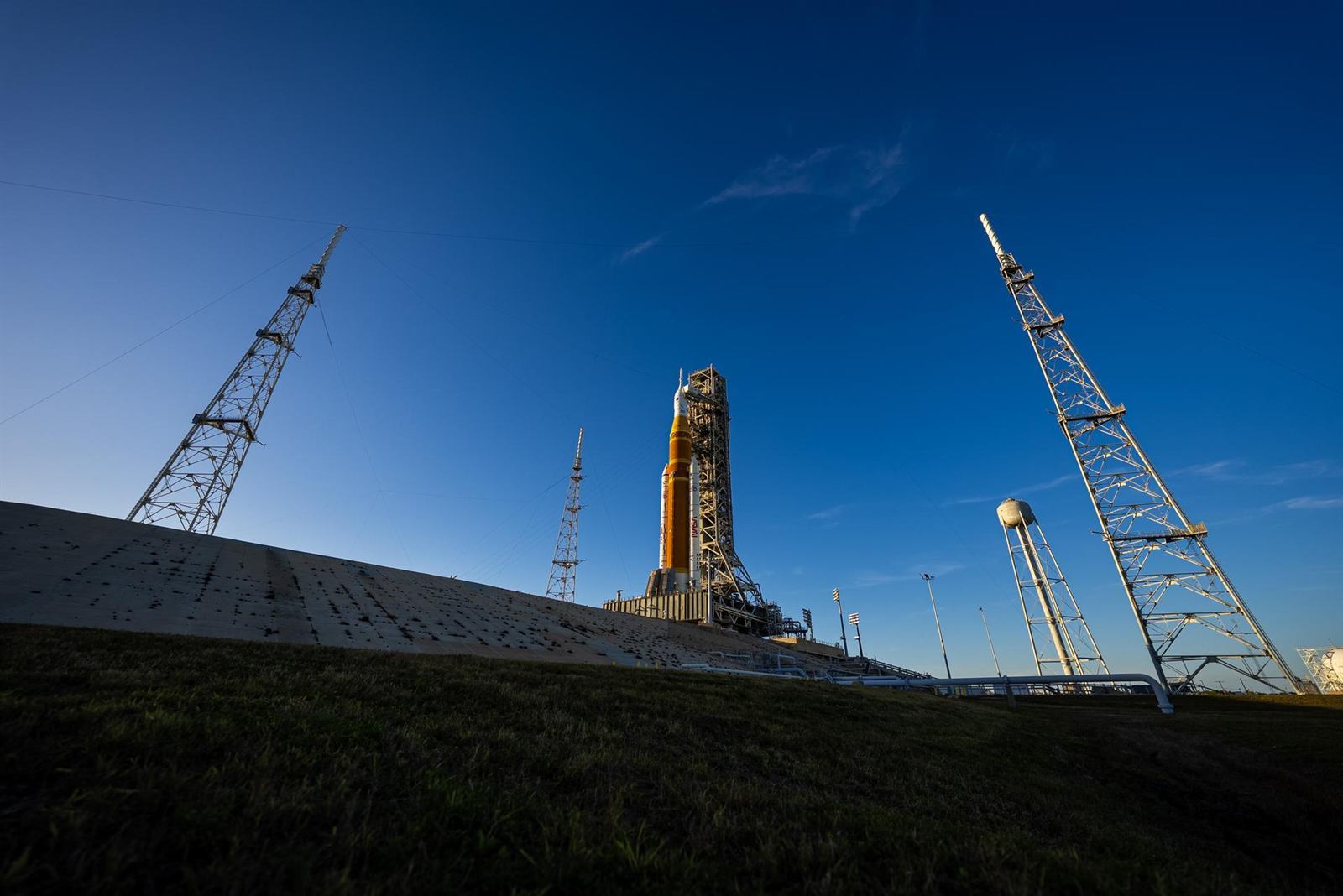
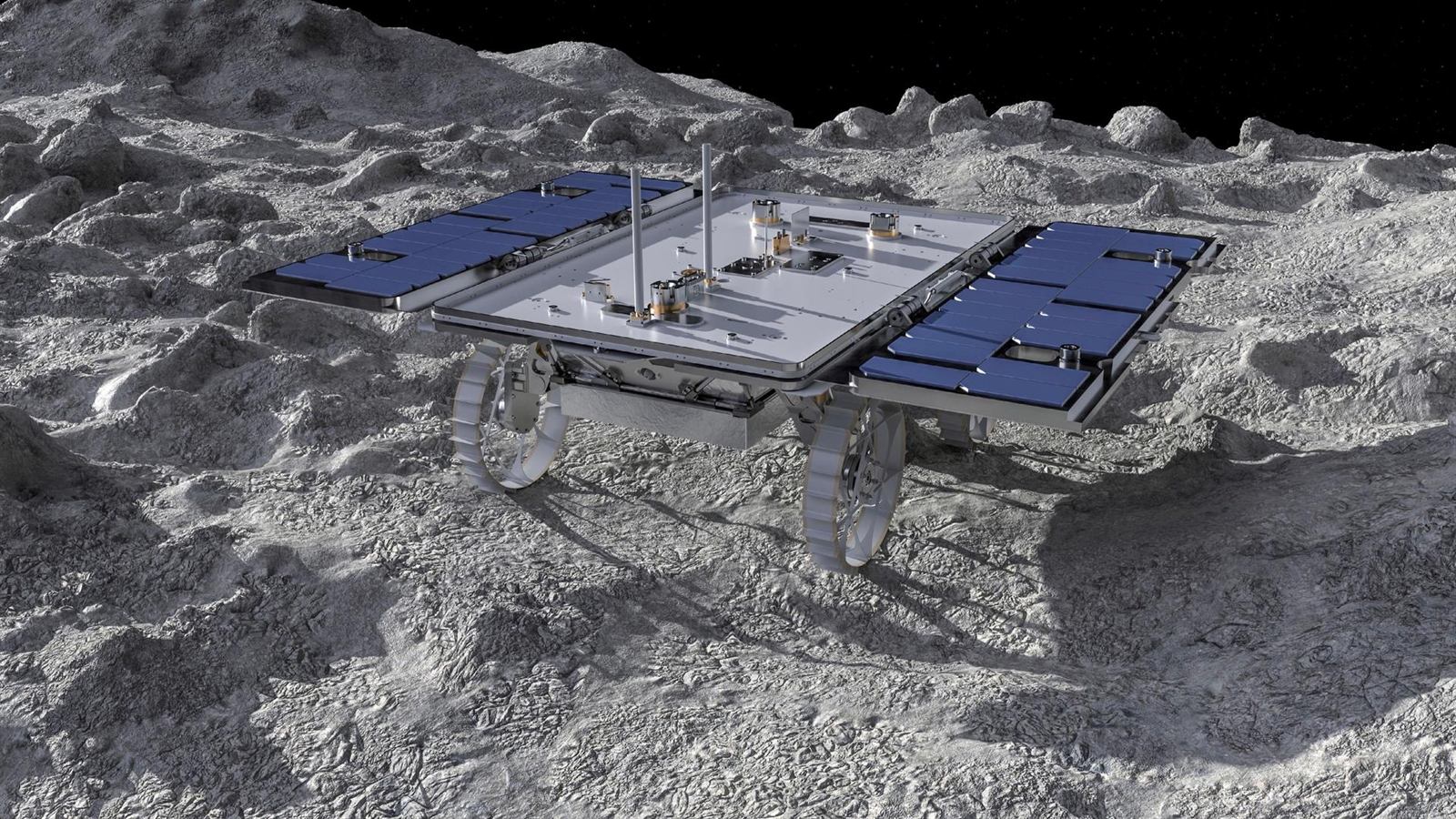
This is the market.
Photographs, not symbols.




Robotics
Robots do the work.
We sell the map of it.
From Perseverance coring Mars to GITAI's on-orbit manipulators and Astroscale's debris inspection, robots are turning one-off missions into repeatable services — the point where a broker can take a position.
Mars, the Moon and the sky
Sourced, dated,
and nothing invented.
Artemis, Rosalind Franklin, sample return, orbital debris, this September's UK-backed launch — each linked to its source.
Contact
Tell us the decision
you have to make.
A first conversation is free and usually short: what you are entering, what you already have, what would change your mind.
hello@tritonae.comPlaceholder address — the company mailbox is being set up. Company number pending registration.